
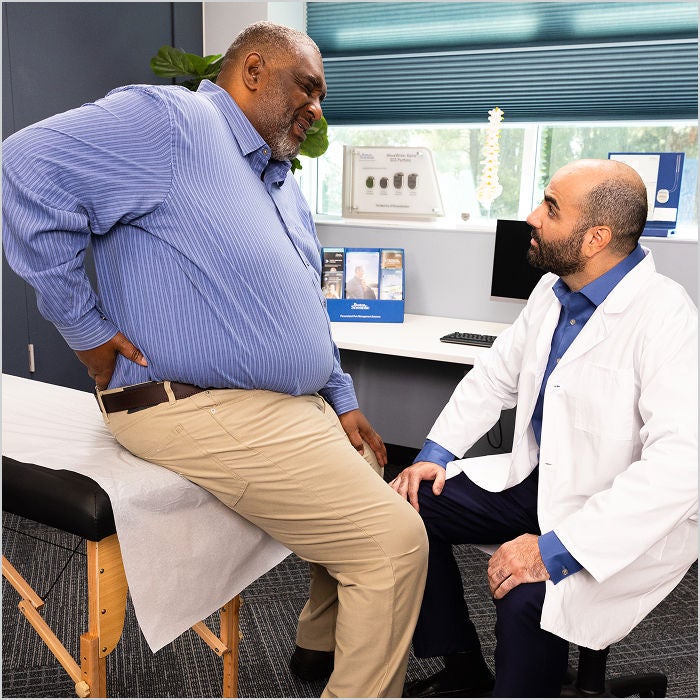
Interventional pain management specialist
Interventional pain specialists are medical professionals with advanced training who diagnose and manage complex pain conditions using minimally invasive techniques. They focus on identifying the source of your pain and delivering targeted interventions for effective relief. Below are two of the most common types of pain specialists:
- Anesthesiologists and CRNAs: Specialists who are proficient in delivering precision pain management strategies to address severe and chronic pain. They use evidence-based approaches tailored to your needs.
- PM&R (physical medicine & rehabilitation) physicians: Also known as physiatrists, these doctors blend interventional techniques with rehabilitative care, helping you reduce pain and improve your physical function effectively.
Because they specialize in managing pain, they likely have access to and knowledge of the best treatment for your unique pain.
Use our Doctor Locator to find specialists in your area.
Other doctors you might meet on your journey
These are some of the other healthcare professionals who might help with your pain management. These experts often focus on conditions impacting specific areas or systems of the body and can assist with advanced surgical procedures when necessary.

Neurosurgeon
Neurosurgeons play a significant role in treating pain, particularly when advanced or surgical procedures are required. Their specialized training equips them to handle complex cases originating in the nervous system — brain and spine — often addressing conditions that need a high level of expertise to ensure the best outcomes for pain management.
Orthopedic surgeon
Orthopedic surgeons specialize in diagnosing and treating pain linked to musculoskeletal conditions, those starting in your bones, muscles, and soft tissue. They strive to restore your mobility and alleviate your chronic pain by addressing underlying structural issues. They often collaborate with your primary care provider and other specialists to create comprehensive treatment plans for your pain.

Interventional radiologist
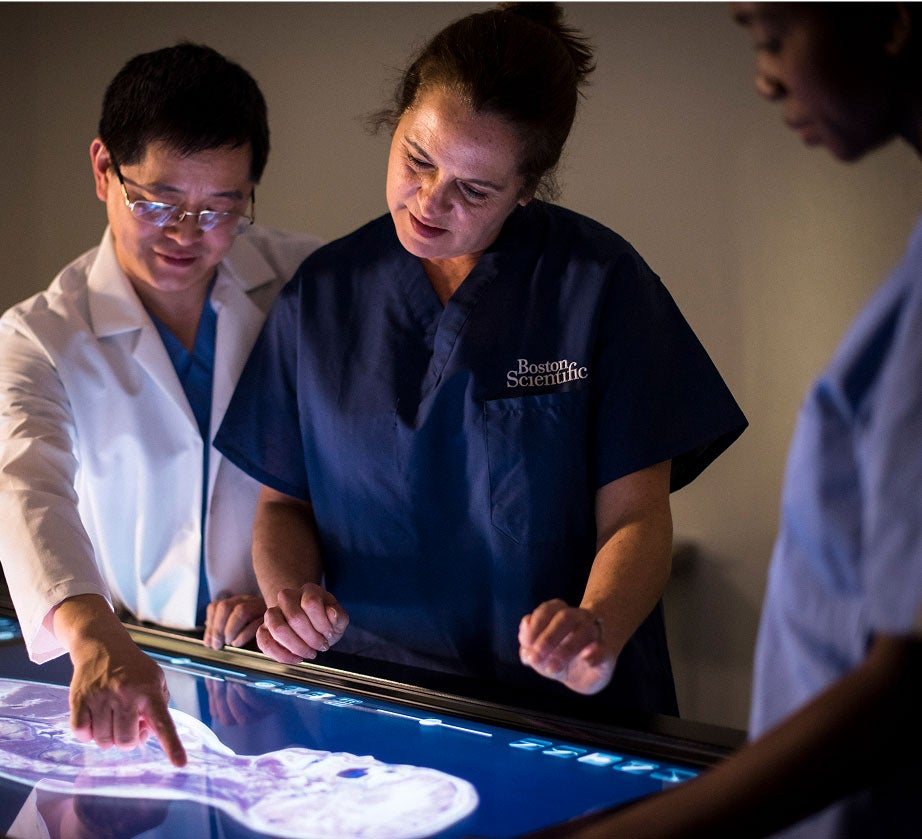
Interventional radiologists contribute to your pain management by performing targeted, outpatient procedures that are guided by imaging technology like MRI and X-ray. Their expertise ensures precision and effectiveness in addressing your chronic pain, offering tailored solutions that minimize downtime and maximize relief.