
A person hugs another person around the neck as they smile together.

Supporting someone living with pain

Living with chronic pain can be an overwhelming experience. If you have a loved one facing this struggle, your support can make all the difference. Let’s look at some practical ways you can help someone you care about cope with chronic pain.

Two people laugh together over a coffee cup.

Empathy

Being empathetic to your loved one’s pain means seeing the world from their perspective. This includes respecting their efforts to manage their pain while trying to appear upbeat and “normal.” Remember, while they may not be as active as before, they likely still want to live life as fully as they can despite their challenges.


A person laughs as they sit with a group on the grass outside.

Support network

A support network can help people who are feeling isolated, misunderstood, or depressed while living with chronic pain maintain a sense of normalcy. Keep inviting your loved one to social activities, even if they cancel often, as chronic pain is isolating enough without feeling excluded from life’s moments.


A person stands in front of a kitchen sink with a child standing beside them on a stool.

Physical support

Respecting the physical limitations of someone with chronic pain starts by listening without judgment when they express their needs. Be patient and understanding if they need to rest, take medication, or stop an activity. Pain levels can change without warning, so what’s possible one day may not be the next. Be empathetic and don’t take cancellations or slower movements personally.


Three people smile as they embrace each other fondly.

Validation

Pain is a condition where many symptoms are invisible to others. By validating your loved one’s symptoms and frustrations, you’re communicating that you understand and accept their experiences. When you do that, you build a trusting and supportive relationship for a loved one experiencing life with pain.


A hand holds a pen while typing on a laptop keyboard during a meeting with other people.

Education

One of the most supportive actions you can take is to learn about your loved one’s specific pain. Especially how it affects their daily life, and what helps or worsens it. Listening attentively and showing an effort to understand can make a significant difference, both in your relationship and in your loved one’s treatment plan.


A group of people sits and laughs on a porch during a lively conversation.

How to support someone living with chronic pain

Chronic pain can be an overwhelming experience that takes a toll on both mental and physical health. If you know someone experiencing chronic pain, here are a few ways you can help and show your support.

A doctor discussion guide with pain assessment questions and a body map. Doctor Discussion Guide

Get your Doctor Discussion Guide

Get the most out of your doctor visit. Download and print this handy guide to help you prepare, ask the right questions, and provide the information your doctor needs to help you find the right solution.

Take your next step toward pain relief

Get started

Have you been suffering from pain for more than 6 months?

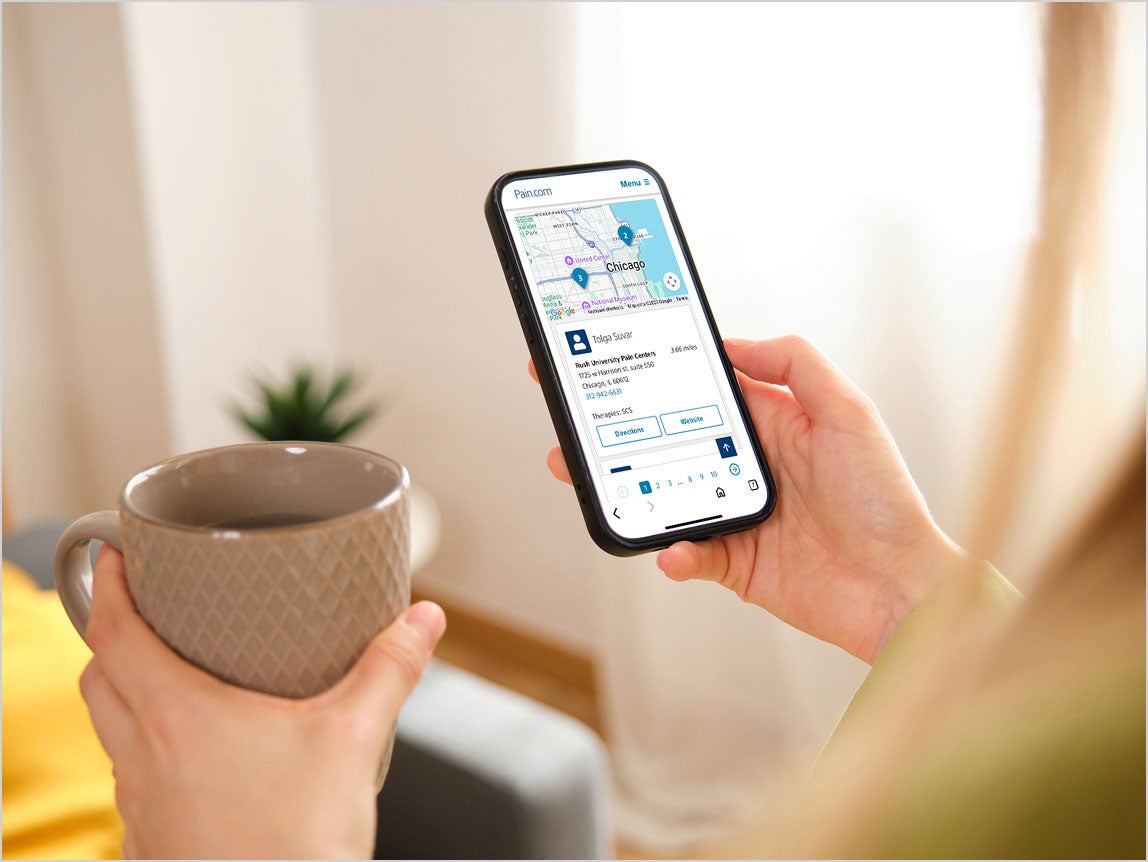
A person holds a smartphone displaying the physician locator in one hand and a mug in the other.

search for a pain doctor

Find a pain management specialist near you

Find an interventional pain management specialist who offers Boston Scientific solutions near you.

A smiling person with glasses and a headset sits in an office with cubicles.

have questions?

Our patient education specialists are here to help

We’re here to provide guidance and answer questions you have in your search for pain management solutions.

Call us at (877) 473-0844
Monday through Friday

5 a.m. to 5 p.m. PT